
Views: 0 Author: Site Editor Publish Time: 2026-04-28 Origin: Site


Many valve choices look similar at first glance, but the wrong one can raise maintenance costs fast. When comparing a 2-piece and 3-piece ball valve, the real issue is not just body design. It is about service access, downtime, efficiency, and long-term value. In this article, you will learn the key tradeoffs and how to choose the right option for standard systems and High Pressure Ball Valve applications.
The difference between a 2-piece and a 3-piece ball valve is not just a matter of how many components appear in the body. It changes how the valve is installed, how easily it can be serviced, and how much disruption a maintenance team should expect once the valve has been placed into an operating line. In practice, buyers are often choosing between a simpler, lower-cost design and a more service-friendly layout built for easier internal access over time. That distinction is especially important in industrial systems where maintenance windows are limited and unplanned downtime is expensive.
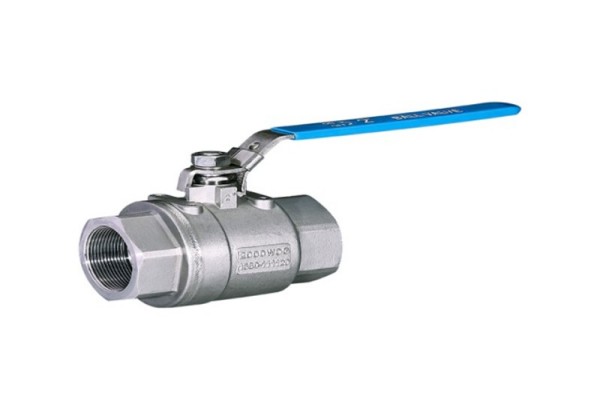
A 2-piece ball valve is typically built as a compact assembly made from two main body sections joined together. This design keeps the valve relatively small and cost-efficient, which is one reason it is widely used in general service applications. A 3-piece ball valve, by contrast, is arranged around a center body section positioned between two separate end connections. Those end connections stay attached to the piping, while the center section contains the internal parts that are most likely to need inspection, cleaning, or replacement.
This structural distinction affects more than appearance. With a 2-piece valve, the body design favors compactness and straightforward installation. With a 3-piece valve, the layout is more modular, which gives operators better access to wear components such as seats, seals, and the ball itself. That makes the valve body design a practical selection factor rather than a purely technical detail.
Feature | 2-Piece Ball Valve | 3-Piece Ball Valve |
Basic body design | Two assembled body sections | Center body plus two end connections |
Installed footprint | More compact | Slightly larger |
Access to internals | More limited after installation | Easier because center section can be removed |
Typical buying priority | Lower upfront cost | Easier maintenance and longer service flexibility |
Once the valve is in service, the maintenance difference becomes much more visible. A 2-piece valve can be reliable in normal operation, but servicing it is often less convenient because access to internal parts is restricted by the body arrangement. In many cases, maintenance is more likely to involve removing the valve from the line or replacing the whole unit rather than carrying out fast in-place service.
A 3-piece valve is designed with a different maintenance logic. Because the center body can be separated from the end connections, technicians can reach internal components without fully removing the piping connections. This is particularly valuable in systems that require periodic cleaning, seal changes, or replacement of worn trim parts. The design reduces the amount of disturbance to the surrounding line and makes planned service more manageable.
Key maintenance implications include:
● less piping disturbance during servicing
● easier access to internal sealing components
● faster cleaning and rebuild work
● better suitability for repeated maintenance cycles
For operators, the real issue is not whether one valve has an extra body section. The real issue is what that body design means when something wears out. A 2-piece valve usually makes sense when replacement is acceptable and maintenance is expected to be infrequent. A 3-piece valve becomes more attractive when labor time, shutdown cost, and repair flexibility matter more than the initial purchase price. Over time, that changes the replacement strategy as well: one design tends to favor swap-out, while the other is better suited to service and reuse.
A 2-piece ball valve is often the more practical choice when the application does not demand frequent teardown, internal cleaning, or repeated replacement of soft parts. In many systems, buyers are not looking for the most serviceable valve body; they are looking for a dependable shutoff valve that fits easily into the line, does its job consistently, and keeps initial procurement costs under control. That is where the 2-piece design stands out. Its simpler construction supports a compact form factor and a lower purchase price, which makes it attractive for facilities managing standard utility or process duties rather than aggressive maintenance schedules.
The appeal of a 2-piece valve usually starts with economics and space efficiency. Compared with a more modular 3-piece body, a 2-piece configuration is generally smaller and less expensive to buy, which matters when a project includes many valve points or tight installation clearances. It also remains a reliable option for general shutoff service, especially in systems where the valve is expected to stay in place for long periods without routine internal servicing. In other words, the value of a 2-piece design is strongest when simplicity is an advantage rather than a limitation.
The 2-piece design makes the most sense in lines where maintenance is infrequent and complete replacement is an acceptable response if the valve eventually wears out. These applications often include water service, compressed air lines, utility piping, and basic industrial process systems that do not place extreme demands on valve internals. It is also a sensible option where operating conditions are stable and where downtime for occasional replacement is manageable within normal maintenance planning.
Best-fit factor | Why a 2-piece valve works well |
Limited installation space | Compact body helps fit tighter layouts |
Budget-sensitive projects | Lower upfront cost supports cost control |
Infrequent maintenance | Replacement may be simpler than rebuilding |
General shutoff duty | Dependable for standard on/off service |
Stable operating conditions | Less need for regular internal access |
The main caution is that a lower entry price does not automatically produce the lowest total ownership cost. If the system runs under heavier wear, stricter cleaning requirements, or more frequent inspection intervals, the limited serviceability of a 2-piece valve can become a disadvantage. What seems economical during purchasing may lead to more labor disruption later if the valve has to be removed rather than serviced in place. That is why the 2-piece option is strongest in lower-service environments, not in systems where maintenance accessibility is part of the operating strategy.
A 3-piece ball valve is usually the better investment when valve maintenance is expected to happen repeatedly over the life of the system rather than only in rare failure situations. In that context, the value of the design comes from service access. Instead of treating the valve as a largely fixed assembly that may need to be removed as a whole, operators can work more directly on the components that actually wear. This makes the 3-piece design especially attractive in plants where uptime, sanitation, inspection intervals, or maintenance labor all have a direct effect on operating cost.
The clearest advantage of a 3-piece valve is its removable center section. Because the two end connections remain attached to the pipeline, technicians can access the internal trim without fully disturbing the surrounding line. That makes a major difference in applications where seats, seals, stem components, and related internal parts require periodic attention. Instead of cutting out the valve or breaking apart more of the piping than necessary, maintenance teams can open the valve body more efficiently and focus on the parts most likely to degrade in service.
This design is particularly useful when cleanliness or media compatibility matters. If the process requires routine internal cleaning, inspection after product changeovers, or scheduled replacement of sealing elements, a 3-piece body reduces the effort involved in each maintenance cycle. The valve is not simply easier to take apart; it is easier to return to service without turning a routine task into a larger piping job.
A 3-piece valve is often preferred in systems that run harder, cycle more often, or expose internal parts to greater wear. These are the conditions where limited serviceability becomes a real disadvantage. In more demanding applications, operators are not only choosing a shutoff device; they are choosing how manageable future maintenance will be under real operating pressure.
Typical situations where a 3-piece design makes more sense include:
● production lines with regular cleaning schedules
● systems with repeated open-close cycles
● services where seals and seats wear faster
● installations where pipe disturbance should be kept to a minimum
● operations with tighter maintenance and inspection standards
Although a 3-piece valve usually costs more to purchase, that higher initial price can be offset by lower service-related costs over time. The comparison should not stop at unit price, because maintenance labor, line shutdown time, and valve replacement frequency can quickly change the true cost picture. A valve that is easier to rebuild may remain in service longer and require less disruption each time internal parts need attention.
Cost consideration | Why 3-piece valves often deliver better long-term value |
Initial purchase | Higher upfront spending |
Maintenance labor | Faster internal access can reduce service time |
Downtime impact | Less line disruption can lower production losses |
Parts replacement | Internal components can often be replaced more practically |
Service life economics | Rebuild-friendly design can improve long-term return |
Choosing between a 2-piece and 3-piece ball valve should start with operating reality rather than catalog comparison alone. Many buyers focus first on purchase price, but the better choice often depends on how the valve will be used after installation. Maintenance schedules, shutdown cost, service access, and line conditions all influence whether a simpler valve body is enough or whether a more serviceable design will protect long-term efficiency. This is especially true when evaluating a High Pressure Ball Valve, because system demands can magnify the cost of poor valve selection.
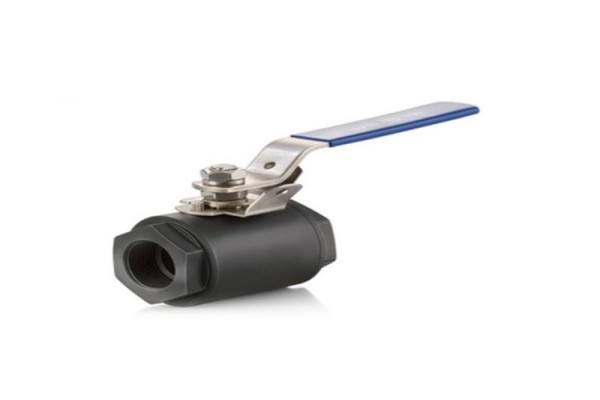
The first question is how often the valve will need attention. In a stable line with low wear and minimal inspection needs, a 2-piece valve can be perfectly reasonable. It offers dependable shutoff and lower upfront cost, and it works well when occasional full replacement is acceptable. However, that logic changes in systems where seals age quickly, product changeovers require cleaning, or maintenance teams must inspect internal parts on a regular basis.
Shutdown cost matters just as much. If stopping the line is inexpensive and easy to schedule, replacing a compact 2-piece valve may not be a major burden. But where downtime interrupts production, delays cleaning cycles, or creates labor-intensive service work, a 3-piece valve can save far more over time than its purchase price suggests. In those systems, the ability to access internals with less pipe disturbance becomes a major operational benefit rather than a minor design feature.
Pressure rating is important, but it should never be the only decision factor. A High Pressure Ball Valve must also be matched to cycle frequency, media conditions, maintenance expectations, and the practical difficulty of repair once the valve is installed. Two valves may meet the same pressure requirement, yet behave very differently from a maintenance and lifecycle perspective.
A 2-piece High Pressure Ball Valve may still be suitable when the system is stable, service intervals are long, and replacement during shutdown is manageable. This can work in applications where compactness and lower initial cost matter more than rebuild convenience. A 3-piece High Pressure Ball Valve is often the better fit when operating conditions are harsher, the valve cycles more often, or internal wear is expected to be part of normal service life. In those cases, easier access to seats, seals, and other internal parts helps reduce downtime and supports a more predictable maintenance strategy.
Selection becomes even more important when media conditions accelerate wear. Abrasive flow, chemical exposure, temperature shifts, and strict cleaning routines can all increase the value of a valve body that is easier to service. That is why engineers should evaluate the full operating environment rather than treating pressure rating as the only technical requirement.
When the application is straightforward, the decision can often be reduced to a few practical questions:
● Is maintenance rare, and is full replacement acceptable?
● Is installation space tight or project budget limited?
● Will the line be expensive to shut down?
● Are internal cleaning, seal replacement, or inspections expected?
● Is this a service-heavy High Pressure Ball Valve application?
If the answers point toward simple duty, limited maintenance, and lower initial cost, a 2-piece valve often makes more sense. If the answers point toward frequent service, greater wear, or high downtime cost, a 3-piece valve is usually the more efficient long-term choice.
The main difference between 2-piece and 3-piece ball valves lies in maintenance access, downtime, and long-term value. A 2-piece valve fits simpler systems, while a 3-piece valve suits service-heavy operations better. Before choosing, compare operating conditions, maintenance needs, and total ownership cost. Wenzhou Kasin Valve Co., Ltd. delivers reliable ball valve solutions with durable construction, practical serviceability, and dependable support for industrial applications.
A: Yes. A 3-piece High Pressure Ball Valve allows faster internal access for cleaning, seal changes, and part replacement.
A: Choose a 2-piece High Pressure Ball Valve when space is limited, maintenance is rare, and lower upfront cost matters more.
A: A 3-piece High Pressure Ball Valve usually reduces downtime because its center section can be removed without disturbing the full line.
A: No. A 2-piece valve may cost less initially, but service-heavy systems can make replacement and downtime more expensive.


