
Views: 0 Author: Site Editor Publish Time: 2026-03-17 Origin: Site


In high-wear process lines, valve selection is never just about opening and closing flow. It is about how long the valve can keep sealing, how well it resists abrasion, how often it needs maintenance, and how reliably it performs when the media is dense, aggressive, or full of solids. This is exactly why many engineers and plant operators choose a Knife Gate Valve for severe-duty service. In industries that handle slurry, pulp, tailings, ash, wastewater solids, dry bulk, or fibrous process media, standard valve designs often wear out too quickly or become difficult to operate once abrasive particles start damaging internal surfaces.
Abrasive systems damage valves in predictable ways. The media may contain:
suspended solids
mineral particles
sand or grit
fibrous materials
coarse powders
dense slurries or viscous mixtures
These materials create constant wear on sealing surfaces, internal cavities, seats, and moving components. Industry sources note that slurry knife gate valves are specifically used in abrasive, high-solids, erosive, and difficult service because many conventional valve types struggle when particles accumulate, erode trim, or interfere with shutoff.
In real operation, this can lead to:
faster seat wear
leakage during shutoff
higher operating torque
clogging or jamming
frequent maintenance shutdowns
shorter valve life and higher replacement cost
That is why valve design matters so much in abrasive service. A valve that works well in clean fluid service may fail much sooner in slurry or solids handling.
A Knife Gate Valve is already known for its ability to isolate thick, fibrous, or solids-laden media using a sharp gate that slides through the flow path. In severe wear service, anti-abrasive designs go further by adding construction details specifically intended to resist erosion and protect critical sealing areas.
Common anti-abrasive features described in industry product literature include:
abrasion-resistant liners, such as urethane-lined bodies for slurry duty
hardened gates for improved wear resistance
replaceable wear seats or sleeves
cavity-free or low-retention flow paths
heavy-duty bodies and reinforced structures for demanding slurry applications
In simple terms, an anti-abrasive knife gate valve is designed not only to stop flow, but to survive repeated exposure to erosive materials while maintaining dependable shutoff.
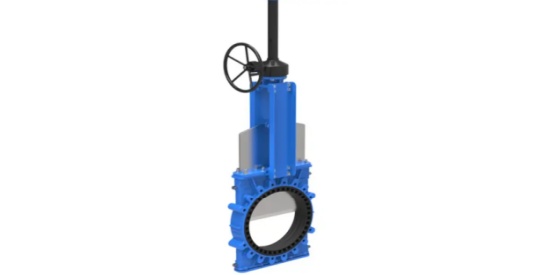
The biggest advantage is right in the name: improved wear resistance. In severe-service knife gate valves, manufacturers often use hardened gate materials, abrasion-resistant liners, or wear-focused seat systems specifically to withstand abrasive slurry and erosive media.
This matters because wear is usually what shortens valve life first. When the valve is designed to resist abrasion at the gate, liner, and sealing areas, the result is:
slower erosion
more consistent shutoff
reduced leakage risk over time
longer intervals between maintenance events
High-wear environments often involve media that are difficult to isolate cleanly. Dense slurries, coarse powders, and solids-rich flow can interfere with sealing if the valve design traps material in internal cavities. Several slurry knife gate valve references specifically emphasize cavity-free or streamlined designs to improve shutoff reliability in abrasive media.
A well-designed anti-abrasive knife gate valve helps by:
reducing areas where solids can collect
allowing the gate to cut through media more effectively
minimizing buildup that interferes with closing
improving shutoff consistency even when flow conditions vary
This is especially valuable in processes where incomplete shutoff leads to line contamination, maintenance difficulty, or downstream inefficiency.
In abrasive applications, maintenance cost is often more important than purchase price. One of the strongest benefits of anti-abrasive knife gate valves is that many severe-service designs are intentionally built for easier maintenance, using replaceable seats, sleeves, or simplified service parts. Valmet’s slurry knife gate valve emphasizes only two main service parts, while Red Valve and other suppliers note replaceable wear seats and simplified maintenance features.
This can reduce total lifecycle cost because:
worn parts can be replaced without replacing the full valve
maintenance is faster and more predictable
service downtime is reduced
plants can restore performance without major piping changes
In demanding facilities, this kind of maintainability often has a direct impact on uptime.
Because wear is controlled more effectively, anti-abrasive knife gate valves are often chosen specifically to extend operating life in tough systems. Industry descriptions of slurry and heavy-duty knife gate valves repeatedly highlight long service life, durability, and lower lifecycle cost in abrasive and critical applications.
A longer service life means:
fewer replacements
less inventory pressure for spare valves
fewer shutdowns for valve failures
more predictable maintenance planning
For mining, mineral processing, wastewater solids, pulp handling, and similar applications, this is one of the biggest reasons buyers move from general-duty valves to anti-abrasive knife gate designs.
Knife gate valves are widely used because the gate can cut through thick media, fibrous content, and solids that challenge many other valve designs. Industry references consistently describe them as suitable for abrasive slurries, viscous media, wastewater solids, pulp, and dry bulk handling.
In high-wear environments, this gives them a practical advantage:
they are less likely to clog than many conventional shutoff valves
they work well in media that vary in density
they can isolate lines carrying solids that settle or compact
they support on/off service where flow is not clean or uniform
This makes them a very practical solution for difficult process conditions where reliability is more important than fine control.
An anti-abrasive knife gate valve often uses seat and sealing designs made specifically for high-wear service. Product literature for slurry valves highlights heavy-section molded elastomer seats, perimeter seat designs, or dual-seat systems intended to improve shutoff and protect the sealing area in abrasive applications.
This helps in two ways:
the sealing system is better able to tolerate abrasive particles
the valve can maintain shutoff performance longer before wear becomes critical
For operators, that means fewer leakage complaints and less frequent seat-related failure.
Anti-abrasive knife gate valves are commonly used where media are dense, abrasive, or solids-laden. Industry examples include:
mining and mineral processing
slurry transport
wastewater and sludge handling
pulp and paper
dry bulk handling
cement and ash systems
coal and aggregate processing
These are exactly the environments where abrasion, erosion, and solids handling can shorten the life of ordinary valve designs.
High-Wear Challenge | How an Anti Abrasive Knife Gate Valve Helps | Practical Benefit |
Abrasive particles eroding internals | hardened gates, abrasion-resistant liners, wear-focused seats | longer valve life |
Solids buildup and clogging | streamlined or cavity-free flow path | more reliable shutoff |
Frequent seat wear | replaceable seats or sleeves | easier maintenance |
Dense slurry or fibrous media | cutting gate design handles difficult flow | fewer blockage issues |
High maintenance cost | serviceable severe-duty construction | lower lifecycle cost |
The exact feature set depends on the valve design, but these are the common engineering advantages described for slurry and severe-service knife gate valves in abrasive applications.
The benefits of anti-abrasive knife gate valves in high-wear environments are clear: better abrasion resistance, more reliable shutoff in slurry and solids handling, easier maintenance, longer service life, and stronger performance in some of the toughest industrial conditions. Industry product literature consistently shows that severe-service slurry knife gate valves use features such as hardened gates, abrasion-resistant liners, replaceable wear components, and cavity-free sealing designs specifically to improve durability and reduce downtime in abrasive service.
If your process line handles abrasive slurry, coarse solids, pulp, or other high-wear media, choosing the right valve design can make a major difference in maintenance cost and production reliability.
To learn more about knife gate valve solutions for demanding abrasive applications, visit www.kasinvalves.com for more information.
Its main advantage is improved wear resistance in abrasive media, often achieved through hardened gates, abrasion-resistant liners, and severe-duty sealing components.
Yes. Slurry and severe-service knife gate valves are specifically designed for abrasive, high-solids, and difficult media applications.
Many designs use replaceable wear seats, sleeves, or simplified service parts, which makes maintenance faster and more cost-effective.
Knife gate valves are generally preferred for on/off isolation rather than throttling, especially in abrasive slurry applications where throttling can accelerate wear.


