
Views: 0 Author: Site Editor Publish Time: 2026-04-30 Origin: Site


Industrial systems often fail over small material choices. Carbon steel and stainless steel remain the two most common ball valve options, but the better one depends on pressure, media, corrosion risk, and long-term cost. In this article, you will learn how to compare them in practical terms and choose the right fit, especially for a High Pressure Ball Valve.
Selecting between carbon steel and stainless steel ball valves is rarely a simple material preference. In practice, the decision affects pressure handling, corrosion risk, maintenance frequency, and long-term operating cost. A useful way to compare them is not by asking which metal is stronger in the abstract, but by looking at how each performs once exposed to real service conditions such as pressure cycling, moisture, chemicals, and outdoor installation.
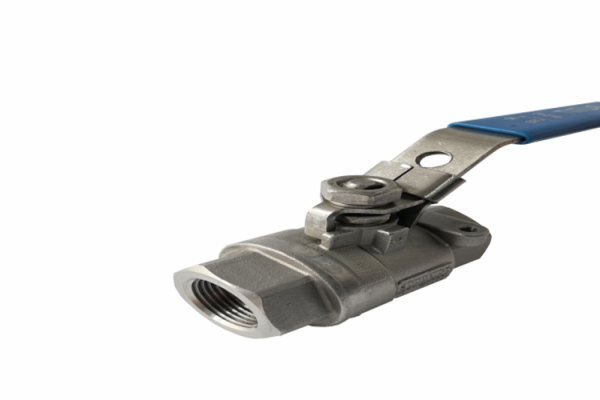
Carbon steel is widely chosen for demanding industrial service because it combines high mechanical strength with good toughness under load. That makes it a common option in pipelines, utility systems, and other installations where the valve body must tolerate pressure fluctuations, vibration, and repeated operation without deforming easily. Its appeal is especially strong in systems where corrosion is limited and structural reliability is the main concern.
Stainless steel also offers solid mechanical performance, so it should not be treated as a weak alternative. The difference is that buyers often choose it for a broader performance profile rather than strength alone. In other words, carbon steel is often favored when robustness and cost efficiency lead the decision, while stainless steel becomes attractive when the valve must remain reliable under both mechanical stress and a more aggressive service environment.
The most visible difference between the two materials appears when the valve is exposed to moisture, chemical media, salt, or humid air. Carbon steel can perform very well in controlled environments, but without adequate protection it is more vulnerable to oxidation and surface degradation. Over time, that can affect both appearance and maintenance requirements, especially in outdoor or chemically exposed systems.
Stainless steel performs better in these settings because its alloy composition helps resist rust, staining, and many forms of chemical attack. That added durability can be especially valuable where valve failure would interrupt production or increase service costs.
Comparison factor | Carbon steel ball valves | Stainless steel ball valves |
Mechanical strength | High strength and toughness for heavy-duty service | Strong, with broader all-around performance |
Corrosion resistance | Lower in wet or aggressive environments | Higher resistance to moisture and chemicals |
Surface durability | More dependent on coatings or protection | More stable in exposed conditions |
Typical cost pattern | Lower upfront purchase cost | Higher initial cost, often lower upkeep |
Initial price often makes carbon steel look like the more economical option, particularly in large projects with many valves. That advantage is real, but it should be evaluated alongside maintenance demands, coating needs, inspection frequency, and expected service life.
When operating conditions are dry, clean, and non-corrosive, carbon steel may deliver excellent value. In harsher environments, however, stainless steel can justify its higher purchase price by reducing corrosion-related maintenance, extending replacement intervals, and lowering the overall cost of ownership across the valve’s working life.
Selecting the right material for a High Pressure Ball Valve is not simply a question of choosing the strongest metal available. In high-pressure service, the valve body must withstand internal force, but pressure resistance alone does not guarantee reliable long-term performance. Temperature swings, the type of media flowing through the system, external moisture, and the possibility of corrosion all shape how well the valve will actually perform after installation. A valve that looks cost-effective on paper can become a weak choice if the working environment accelerates wear, surface damage, or sealing problems. That is why material selection should be tied to the full service condition rather than to pressure rating in isolation.
In demanding systems, pressure places constant stress on the valve body, seats, and sealing surfaces, so structural strength remains essential. Carbon steel is often appreciated here because it offers excellent toughness and load-bearing capability, which is why it appears so frequently in industrial pressure lines. Even so, strength is only one part of the performance picture. If the valve handles hot fluids, aggressive chemicals, wet gas, or outdoor exposure, the body material must also resist surface deterioration and preserve sealing stability over time.
A more accurate way to evaluate a High Pressure Ball Valve is to look at four operating variables together:
● Working pressure and pressure fluctuation
● Temperature range during continuous service
● Media properties, including corrosiveness and moisture content
● Installation environment, such as indoor, outdoor, coastal, or chemical exposure
When these factors are considered together, the “best” material often changes. A valve that performs well in a dry high-pressure oil line may not be the best fit for a high-pressure water or chemical system.
For strength-driven and budget-sensitive systems, carbon steel is often the practical choice. It is widely used where pressure resistance, mechanical toughness, and cost control matter more than corrosion protection. This makes it suitable for many general industrial, oil, and gas applications where the media is not highly aggressive and the surrounding environment is relatively controlled.
Stainless steel becomes the stronger option when high pressure is combined with corrosive media or moisture-heavy conditions. In these cases, the valve must resist not only internal stress but also rust, staining, and chemical attack that could shorten service life.
High-pressure selection factor | Carbon steel | Stainless steel |
Best fit | Strength-focused, cost-sensitive service | Corrosion-prone, high-pressure service |
Main advantage | Mechanical toughness and lower upfront cost | Corrosion resistance with reliable long-term durability |
Common environment | Controlled industrial systems | Wet, chemical, marine, or exposed settings |
One frequent mistake is focusing only on initial purchase price. A lower-cost valve can become more expensive if it requires protective maintenance, earlier replacement, or unplanned shutdowns. Another common error is assuming that high pressure automatically means carbon steel is the best option, even when the media or environment is corrosive.
Buyers also run into problems when they treat pressure rating as the only technical requirement. In practice, ignoring fluid chemistry, operating temperature, and environmental exposure can lead to a valve that meets the pressure spec but performs poorly in real service. A more reliable selection process looks beyond strength and asks how the material will age under the exact working conditions of the system.
Choosing between carbon steel and stainless steel ball valves becomes much easier when the comparison is tied to actual operating environments rather than abstract material properties. In industrial practice, the better option is usually the one that matches the pressure level, media type, exposure conditions, and cleanliness requirements of the system. Some applications place the highest value on structural strength and cost efficiency, while others demand corrosion resistance, surface stability, or reduced contamination risk. Organizing the choice by application makes the difference more practical for buyers, engineers, and maintenance teams.
Carbon steel is often the preferred choice in heavy-duty systems where the service environment is relatively controlled and corrosion is not the dominant threat. In oil and gas pipelines, power facilities, and general industrial lines, valve bodies must tolerate pressure, vibration, and frequent cycling without losing structural integrity. Carbon steel performs well in these settings because it offers strong mechanical toughness at a lower initial cost than stainless steel.
This makes it especially attractive for large installations where many valves are required and cost discipline matters. When the media is non-corrosive or the system already includes protective measures against surface exposure, carbon steel can deliver a reliable balance of strength, availability, and economic value. In these applications, buyers are often less concerned with decorative finish or chemical resistance and more focused on pressure-bearing performance and long-term service under demanding mechanical conditions.
Stainless steel becomes the better fit when the valve must operate in environments where moisture, salt, chemicals, or unstable fluid conditions create a higher risk of corrosion. In chemical processing lines, marine systems, and many water-related applications, the valve material must maintain its surface condition and internal reliability over time, even when exposed to aggressive media.
Application environment | Better-fit material | Main reason |
Oil and gas pipelines | Carbon steel | High strength and cost efficiency in controlled service |
Power and general industrial lines | Carbon steel | Toughness for heavy-duty operation |
Chemical processing | Stainless steel | Better resistance to corrosive media |
Marine and coastal systems | Stainless steel | Improved protection against moisture and salt exposure |
Water and clean-service systems | Stainless steel | Greater surface stability and lower contamination risk |
In these environments, stainless steel offers a more stable material response, which helps reduce rust-related maintenance and lowers the chance of premature valve degradation. That stability can be critical in systems where downtime is expensive or fluid compatibility affects both safety and performance.
Stainless steel is also commonly preferred in operations where surface cleanliness and low contamination risk matter as much as mechanical reliability. In water treatment, food-related processing, and other clean-service applications, buyers often prioritize a valve body that is easier to maintain, less prone to visible corrosion, and better suited to environments where product purity or fluid cleanliness must be protected.
The advantage here is not only durability but also consistency. A cleaner and more corrosion-resistant surface reduces the likelihood that material breakdown will interfere with process quality, which is why stainless steel is often treated as the safer choice in systems with stricter hygiene or purity expectations.
Choosing between carbon steel and stainless steel ball valves becomes much easier when the decision starts with service conditions instead of product price. In many buying situations, the wrong choice happens because the valve is treated as a standard commodity rather than a component that must match the actual fluid, surrounding environment, and maintenance expectations of the system. A valve that seems cost-effective at the purchasing stage may become expensive later if corrosion, frequent servicing, or early replacement begins to affect operations. For that reason, the most reliable selection process begins with application details and only then moves to cost comparison.
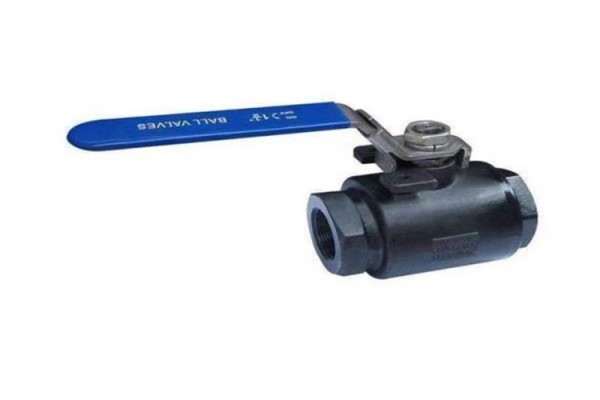
Before comparing quotes, buyers should first define the working conditions the valve will face every day. The media type matters because gas, steam, water, oil, or chemical fluids do not create the same demands on the valve body. Environmental exposure matters as well. A valve installed indoors in a dry, controlled plant does not face the same risk profile as one exposed to humidity, outdoor weather, washdown conditions, or salt-laden air.
Operating temperature should also be reviewed early, because temperature changes can influence sealing stability, material behavior, and long-term durability. In practice, the most useful starting questions are:
● Is the media corrosive, wet, abrasive, or chemically unstable?
● Will the valve be used indoors, outdoors, or in a high-humidity environment?
● Does the system experience high or fluctuating temperatures?
● Is the installation in a clean-service area where surface condition matters?
These questions usually narrow the material choice quickly. If the environment is controlled and corrosion risk is low, carbon steel often remains a strong candidate. If moisture, chemical attack, or hygiene concerns are present, stainless steel usually moves ahead.
Initial cost is important, but it should not be treated as the only meaningful number. A lower-priced valve can lose its advantage if it needs more protective maintenance, more frequent inspections, or earlier replacement. In industrial systems, downtime often costs more than the valve itself, so service life and reliability deserve the same attention as procurement budget.
Decision factor | Carbon steel may be better when... | Stainless steel may be better when... |
Service environment | Conditions are dry, controlled, and low in corrosion risk | Conditions are wet, corrosive, or exposed |
Cost priority | Lower upfront spend is a major concern | Lower long-term maintenance matters more |
Maintenance burden | Routine protection and inspection are manageable | Reduced upkeep is important |
Application sensitivity | Cleanliness is not a major issue | Hygiene or contamination control matters |
Looking at lifecycle value means considering how often the valve may need servicing, whether corrosion could shorten its useful life, and how costly replacement would be once the system is in operation. This approach gives a more realistic basis for material selection than purchase price alone.
A practical rule of thumb works well when the application is straightforward. Carbon steel is often the better choice for high-strength, non-corrosive industrial duty where mechanical performance and budget control are the main priorities. Stainless steel is usually the better option where the service is corrosive, wet, chemically exposed, or sensitive to contamination, and where longer-term material stability is worth the higher initial cost.
Neither carbon steel nor stainless steel ball valves are always better. The right choice depends on pressure, media, corrosion risk, and service life, not just purchase price. Wenzhou Kasin Valve Co., Ltd. delivers reliable valve solutions with strong performance, durable construction, and practical support, helping buyers match the right material to real industrial demands.
A: A High Pressure Ball Valve in carbon steel suits non-corrosive, high-strength service, while stainless steel fits corrosive or wet conditions better.
A: Choose a High Pressure Ball Valve in stainless steel when media, humidity, or washdown conditions increase corrosion and maintenance risk.
A: Yes. A High Pressure Ball Valve in carbon steel may cost less upfront, while stainless steel can reduce corrosion-related maintenance and replacement in harsh environments.


