
Views: 0 Author: Site Editor Publish Time: 2025-08-11 Origin: Site


Have you ever wondered how industries control fluid flow with precision? Enter the globe valve, a critical component in many systems. Globe valves have evolved over time, enhancing their efficiency and reliability. In this post, you'll learn about the design, types, and applications of globe valves, and how they compare to other valve types.
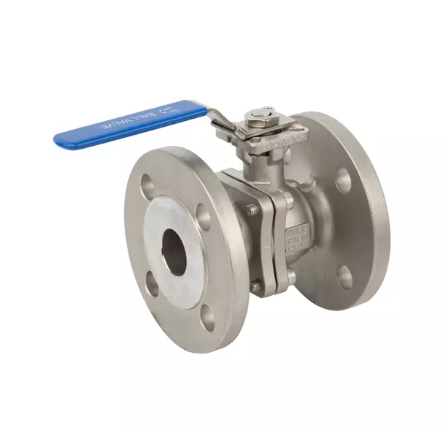
Globe valves have a distinct design that makes them ideal for precise flow control. Their structure includes several key components: the body and bonnet, the plug or disc mechanism, and the stem and cage. Each part plays a crucial role in the valve's operation and durability.
The body forms the main pressure-containing part of the valve. It houses all internal components that come into contact with the fluid or gas. Traditionally, globe valves have a spherical body shape, but modern designs may vary. The body has two or three ports, which are openings for fluid flow. These ports can be aligned straight across or at an angle, such as 90 degrees, depending on the valve type.
The bonnet is attached to the body and seals the valve to prevent leaks. It also supports the stem and packing, which help control the valve's opening and closing. Bonnet types include screw-in, union, or bolted, each offering different levels of sealing and ease of maintenance.
Inside the globe valve, the plug or disc acts as the closure element. It moves up or down to regulate flow. This plug is connected to the stem and presses against the seat to stop flow when closed. There are two main types of plugs: balanced and unbalanced.
Unbalanced plugs are solid and common in smaller valves or low-pressure situations. They have a simpler design and lower cost but require more force to operate in larger sizes.
Balanced plugs have holes to reduce the force needed to move them, making shut-off easier. However, they are more complex and costly, with an additional potential leak path.
The stem connects the plug to the actuator or handwheel. It transmits the motion needed to open or close the valve. Stems may be threaded for manual operation or smooth for automated valves. They must be strong enough to handle compression and tension forces and perfectly straight to ensure proper sealing and minimize wear on packing material.
The cage surrounds the plug inside the valve body. It guides the plug to the seat for a tight seal and controls flow by exposing or covering openings as the plug moves. Cage design greatly affects flow characteristics, influencing how the valve performs under different pressures and temperatures.
Together, these components create a valve capable of precise flow regulation, durability, and reliable sealing in various industrial applications.
Globe valves come in several types, each designed for specific flow control needs and piping arrangements. Understanding these types helps select the right valve for your application, ensuring efficient operation and longevity.
Straight globe valves have their inlet and outlet ports aligned in a straight line. This design keeps fluid flow simple and direct, making them suitable for many general-purpose applications. They are common in pipelines where space is not constrained and where the fluid requires throttling or frequent regulation.
Advantages: Easy to install and maintain, good for throttling flow.
Typical uses: Water supply systems, chemical processing, and HVAC systems.
Angle globe valves have their ports arranged at a 90-degree angle, turning the flow direction within the valve body. This layout is excellent for systems requiring a change in flow direction without additional fittings. It also helps fluids drain easily, reducing the risk of clogging or corrosion.
Advantages: Combines flow regulation with directional change, good for viscous or corrosive fluids.
Typical uses: Drainage systems, steam lines, and applications needing frequent flushing.
Y-pattern globe valves have a body shaped like the letter "Y," allowing the flow to pass through with less resistance compared to straight or angle valves. This design reduces pressure drop, making them suitable for high-pressure or high-flow systems where efficiency is critical.
Advantages: Lower pressure loss, smoother flow path, better for high-pressure systems.
Typical uses: Power plants, oil and gas pipelines, and other heavy industrial processes.
Globe valves are widely used across various industries due to their precise flow control capabilities. Some common industries relying on globe valves include:
Oil and Gas: Used for controlling flow in pipelines, refineries, and processing plants.
Power Generation: Essential in steam, water, and cooling systems.
Chemical Processing: Handle corrosive fluids and regulate chemical flows.
Water Treatment: Manage water distribution and treatment processes.
Pharmaceuticals: Ensure precise control of fluids in manufacturing.
HVAC Systems: Regulate heating and cooling water flow.
Each industry benefits from the globe valve’s ability to throttle flow accurately and provide reliable shutoff.
In plumbing, globe valves serve as stop valves or control valves. They are often installed in water supply lines where flow regulation or isolation is needed. Common plumbing uses include:
Shutoff Valves: Installed before fixtures like sinks, toilets, and water heaters to stop water flow during maintenance.
Flow Regulation: Used to adjust water pressure in heating or cooling systems.
Drainage Systems: Angle globe valves help change flow direction and allow easy drainage.
Hot Water Systems: Control flow and temperature by throttling water through heating elements.
Their design allows for easy manual operation and reliable sealing, making them ideal for household and commercial plumbing.
Globe valves excel in high-pressure applications due to their robust construction and precise control. Advantages include:
Effective Throttling: The plug and seat design allows fine adjustment of flow, even under high pressure.
Pressure Resistance: Globe valves handle pressure fluctuations without leaking.
Durability: Materials like stainless steel or brass resist wear from high pressure and temperature.
Safety: Reliable shutoff reduces risk of leaks or bursts in critical systems.
Versatility: Suitable for steam, gas, and liquid services in demanding environments.
For example, in power plants, globe valves control steam flow to turbines, ensuring efficient and safe operation.
Globe valves and ball valves both control fluid flow but differ in operation and use. Globe valves use a plug moving perpendicular to the flow path to regulate or stop flow. This design allows precise throttling and fine control, making globe valves ideal for applications where flow adjustments are frequent.
Ball valves feature a rotating ball with a hole through its center. When the hole aligns with the flow path, fluid passes freely; when rotated 90 degrees, flow stops completely. Ball valves offer quick on/off control and minimal pressure drop when fully open but lack the fine throttling ability of globe valves.
Key differences:
Flow control: Globe valves excel at throttling; ball valves are better for quick shutoff.
Pressure drop: Globe valves cause higher pressure drop due to flow path changes; ball valves have low pressure loss.
Maintenance: Ball valves generally require less maintenance and have longer service life in clean fluids.
Cost: Globe valves tend to be more expensive, especially in larger sizes or high-pressure ratings.
Gate valves control flow by lifting a flat gate out of the fluid path. They are designed primarily for on/off service with little pressure drop when fully open. However, gate valves are not suitable for throttling because partially open gates can vibrate and wear quickly.
Globe valves, by contrast, provide better flow regulation and sealing capabilities. They allow precise flow adjustment without damaging internal parts. Gate valves are often used where flow is either fully open or fully closed, such as in isolation applications.
Key differences:
Flow control: Globe valves allow throttling; gate valves do not.
Sealing: Globe valves provide better leak-tight sealing under pressure.
Operation: Gate valves require more space for operation due to vertical gate movement.
Pressure drop: Gate valves have less pressure drop when open.
Butterfly valves use a rotating disc positioned in the center of the pipe to regulate flow. They offer compact design, lightweight, and quick operation. Butterfly valves are common in large-diameter pipelines and low-pressure systems.
Globe valves, while bulkier, provide more precise flow control and better shutoff in high-pressure and high-temperature environments. Butterfly valves may have higher leakage rates compared to globe valves, especially under throttling conditions.
Key differences:
Size and weight: Butterfly valves are lighter and smaller.
Flow control: Globe valves offer finer control.
Pressure rating: Globe valves handle higher pressures and temperatures.
Leakage: Globe valves provide tighter shutoff.
Tip: Choose globe valves when precise flow control and tight sealing are critical, but consider ball, gate, or butterfly valves for quick shutoff, space constraints, or lower pressure applications.
Keeping globe valves in top shape requires regular maintenance. Start by inspecting the valve body and bonnet for any signs of corrosion or damage. Check the stem and packing area often, as worn packing can cause leaks. Lubricate the stem threads or actuator components to ensure smooth operation. Tighten packing nuts carefully to avoid over-compressing, which can make turning the valve difficult. When possible, cycle the valve fully open and closed to prevent sticking or buildup inside.
It's also important to clean the valve internals during scheduled shutdowns. Remove debris or sediment that can accumulate around the plug, seat, or cage. Replace worn parts like seals, gaskets, and packing materials promptly. Use manufacturer-recommended replacement components to maintain valve integrity.
Globe valves can face several common problems. Leakage around the stem often results from worn packing. Repacking or replacing the packing material usually fixes this. If the valve leaks at the seat, it may mean the plug or seat is damaged or worn. In this case, the seat ring or plug should be repaired or replaced.
Difficulty operating the valve can occur due to corrosion, debris buildup, or damaged stems. Regular lubrication and cleaning help prevent this. If the stem is bent or damaged, replacement is necessary. Another issue is valve chatter or vibration when throttling flow, which may cause wear. Using a cage design suited for your flow conditions can minimize this problem.
To maximize globe valve lifespan, follow a few key practices. Use the valve within its rated pressure and temperature limits to avoid stress damage. Avoid rapid cycling or frequent throttling beyond the valve's design capabilities. Always operate the valve gently to prevent mechanical shock.
Store spare valves and parts in a clean, dry environment to prevent corrosion. Train operators on proper valve use and maintenance schedules. Implementing a preventive maintenance program helps catch issues early and reduces downtime.
Replacing worn components before failure and keeping accurate maintenance records also supports long valve service life. When valves reach the end of their serviceable life, replace them promptly to maintain system safety and efficiency.
Globe valves have evolved significantly due to advances in materials and design technology. Modern valves now often use corrosion-resistant alloys and advanced composites, improving durability in harsh environments. Precision manufacturing techniques allow tighter tolerances, enhancing sealing and reducing leaks. Some globe valves incorporate smart materials that respond to temperature or pressure changes, adjusting flow automatically for better system efficiency.
Additive manufacturing (3D printing) also enables complex internal geometries, optimizing flow paths and reducing pressure drops. These innovations lower maintenance needs and extend valve lifespan.
Automation has transformed globe valve operation. Automated actuators—electric, pneumatic, or hydraulic—allow remote control and integration with control systems. This enables precise, real-time flow adjustments, essential in modern industrial processes.
Automation improves safety by reducing manual intervention in hazardous environments. It also facilitates predictive maintenance through sensors monitoring valve condition, detecting wear or leaks early. Integration with IoT (Internet of Things) platforms helps operators optimize system performance and reduce downtime.
Looking ahead, globe valves will likely become smarter and more efficient. Advances in AI and machine learning may enable valves to self-adjust based on system data, improving energy use and process control. Materials science will continue developing lighter, stronger, and more corrosion-resistant components.
Environmental concerns will drive innovations for valves that minimize leakage and withstand aggressive fluids without degrading. Modular designs will simplify maintenance and upgrades, reducing downtime.
In summary, globe valves will keep evolving to meet the demands of complex, automated systems while enhancing reliability and sustainability.
Globe valves are essential for precise flow control in various industries, including oil and gas, power generation, and water treatment. Their unique design offers excellent throttling capabilities and reliable sealing. Understanding their applications and maintenance ensures optimal performance. For advanced solutions, consider products from Wenzhou Kasin Valve Co., Ltd., known for their innovative and durable valve designs. Explore further to enhance your knowledge and make informed decisions about using globe valves in your systems.
A: A globe valve is used for precise flow control in various applications, including water supply systems, chemical processing, and HVAC systems.
A: A globe valve functions by moving a plug or disc up and down against a seat, regulating flow through its body.
A: Choose a globe valve for its excellent throttling capabilities and reliable sealing in high-pressure applications.
A: Benefits of using a globe valve include precise flow control, durability, and effective shutoff in demanding environments.


