
Views: 0 Author: Site Editor Publish Time: 2025-08-04 Origin: Site


Have you ever wondered how fluid flow is controlled in pipelines? Globe valves and gate valves play crucial roles in this process. Understanding their differences is vital for engineers and technicians. In this post, you'll learn about their unique designs, functions, and applications, helping you choose the right valve for your needs.
Globe valves have a distinctive design that makes them easily recognizable. They feature a spherical body with an internal baffle that divides the inside of the valve into two halves. The key component is a movable plug or disc that moves perpendicularly to the flow path, pressing down onto a stationary seat. This movement controls the flow by either restricting or allowing passage through the valve.
The stem connects the handwheel or actuator to the disc, allowing precise control over the flow rate. Because the flow path changes direction inside the valve body, globe valves create a higher pressure drop compared to straight-through valves. However, this design allows for fine throttling and control.
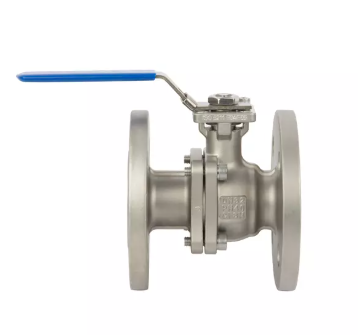
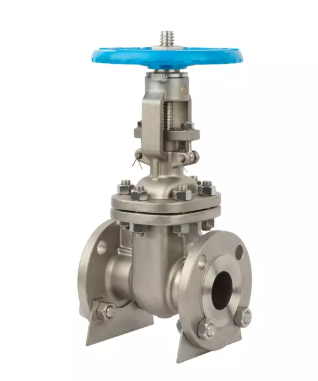
Gate valves have a simpler design focused on fully opening or closing the flow path. They consist of a flat or wedge-shaped gate that moves vertically between two seats. When the gate is lifted, the valve opens, providing a straight, unobstructed flow path. When lowered, it seals tightly against the seats to stop flow.
The valve body is usually cylindrical or rectangular, with the stem connected to the gate. The stem moves the gate up or down via a handwheel or actuator. Because the flow path is straight when open, gate valves offer minimal resistance and pressure drop.
| Feature | Globe Valve | Gate Valve |
|---|---|---|
| Flow Path | Changes direction inside valve | Straight through valve |
| Valve Disc Movement | Moves perpendicular to flow | Moves vertically in flow path |
| Body Shape | Spherical with internal baffle | Cylindrical or rectangular |
| Pressure Drop | Higher due to flow direction change | Lower, straight flow path |
| Control Capability | Excellent for throttling and flow control | Designed mainly for on/off control |
| Sealing Mechanism | Disc presses onto seat | Gate presses between two seats |
This structural difference means globe valves are ideal for regulating flow, while gate valves excel at fully stopping or allowing flow. The globe valve’s complex internal path creates more friction and pressure loss but provides better control. In contrast, the gate valve’s straight-through design reduces pressure loss but offers less precise flow control.
Understanding these structural distinctions helps engineers select the right valve type based on system needs, balancing flow control, pressure drop, and sealing requirements.
Globe valves control flow by moving a disc or plug perpendicular to the flow path. When you turn the handwheel, the stem moves the disc down onto the seat, restricting flow. Raising the disc allows more fluid to pass through. This design lets you adjust flow rate precisely, making globe valves perfect for throttling.
Because the flow changes direction inside the valve, it creates more resistance. This means pressure drops more than in valves with straight flow paths. However, the trade-off is better control over flow rate, which is important in many industrial processes.
Gate valves operate differently. They use a flat or wedge-shaped gate that moves straight up or down to open or close the valve. When fully open, the gate lifts completely out of the flow path, allowing fluid to pass straight through with minimal resistance.
This design means gate valves are best for on/off control. They’re not suited for throttling because partially open gates can cause vibration and damage over time. The straight flow path also means less pressure drop compared to globe valves.
Globe valves shine when you need to regulate flow. Common uses include:
Controlling flow rates in pipelines
Adjusting pressure in systems
Managing cooling water flow
Fine-tuning fuel supply in boilers
They work well in systems where precise control matters more than minimizing pressure loss.
Gate valves are ideal when you want to start or stop flow quickly and with minimal pressure loss. Typical applications include:
Isolation valves in water supply systems
Shutoff valves in oil and gas pipelines
Valve stations in fire protection systems
Applications where valves stay fully open or fully closed for long periods
Because they provide a straight-through path, they help maintain flow efficiency.
Globe valves offer excellent flow control. Their design lets you adjust flow precisely, which is crucial in many industrial processes. They provide tight sealing, reducing leakage risks. These valves handle throttling well, making them ideal for regulating pressure and flow rates. Also, globe valves are versatile and work well in both high-pressure and high-temperature environments. Their design allows easier maintenance since the disc and seat are accessible without removing the valve body.
Despite their control benefits, globe valves have some downsides. Their internal flow path causes higher pressure drops compared to other valves. This can reduce system efficiency if not accounted for. Globe valves are generally bulkier and heavier, which may not suit compact installations. They also tend to be more expensive upfront and require more maintenance due to their complex design. Additionally, their throttling action can cause wear on the disc and seat, leading to potential leaks over time.
Gate valves excel at providing a straight, unobstructed flow path when fully open, resulting in minimal pressure loss. They are reliable for on/off control, offering tight sealing when closed. These valves are simple in design, which often means lower initial costs and easier manufacturing. Gate valves are durable and can handle high pressure and temperature conditions. Their design also allows for less wear during operation since the gate moves fully out of the flow path when open.
Gate valves are not suitable for flow regulation or throttling. Partially opening the gate can cause vibration and damage, reducing valve lifespan. They take longer to open or close compared to other valves, which may be a concern in emergency shutdowns. Gate valves are bulkier and heavier, requiring more space for installation. Their sealing surfaces can be prone to damage if debris is present in the flow. Also, maintenance can be more challenging since the entire valve may need disassembly for repairs.
Tip: Choose globe valves when precise flow control and tight sealing matter; opt for gate valves when simple, low-resistance on/off control is needed.
Globe valves perform best when precise flow control is essential. Their design allows the disc to press firmly against the seat, creating a tight seal that minimizes leakage. However, because the flow path changes direction inside the valve, it causes a higher pressure drop. This pressure loss can affect system efficiency, especially in high-flow applications.
Another key factor is wear from throttling. When used to regulate flow, the disc and seat experience continuous contact and friction. Over time, this can lead to erosion or damage, reducing sealing effectiveness. Selecting materials resistant to wear and corrosion can extend valve life.
Temperature and pressure ratings also impact performance. Globe valves handle high temperatures and pressures well, making them suitable for steam or hot water systems. Still, regular inspection ensures components stay in good condition under demanding conditions.
Gate valves excel in applications requiring full open or full close positions. Their straight-through flow path causes minimal pressure drop, which helps maintain system efficiency. When fully open, the gate lifts entirely out of the flow path, eliminating flow resistance.
However, gate valves are not designed for throttling. Partially open gates can cause vibration and noise, which may damage the valve or pipeline. They also take longer to operate because the gate moves vertically over a longer distance.
Sealing depends on the gate pressing firmly between two seats. Debris or sediment can damage these surfaces, causing leaks. Thus, clean fluids and proper filtration improve performance. Gate valves also perform well under high pressure and temperature but require careful monitoring for seat wear.
Maintaining globe valves involves regular inspection of the disc, seat, and stem. Look for signs of wear, corrosion, or leakage. Lubricate the stem threads to ensure smooth operation and prevent seizing.
Replacing worn discs and seats promptly helps maintain tight sealing and flow control. Since globe valves have a complex internal design, maintenance may require partial disassembly, but the design allows access without removing the entire valve.
Cleaning buildup inside the valve body is crucial, especially in systems with particulate matter. Proper maintenance extends valve life and prevents costly downtime.
Gate valve maintenance focuses on keeping the gate and seats clean and free from debris. Inspect the sealing surfaces regularly for damage or wear. If leakage occurs, replacing the gate or seats may be necessary.
Lubricate the stem to avoid corrosion and ensure easy movement. Because gate valves can be bulky, ensure enough space around the valve for maintenance tasks.
Avoid using gate valves for throttling to reduce wear and prolong service life. Periodic operation from fully open to fully closed helps prevent the gate from sticking.
Globe valves tend to be more expensive than gate valves. Their complex internal design requires more materials and precision manufacturing. The spherical body, internal baffle, and movable disc add to production costs. Additionally, globe valves often need higher-grade materials to handle throttling wear and pressure drops. Installation costs can also be higher because of their bulkier size and weight. However, their ability to provide precise flow control can save money in systems where regulation is critical, reducing waste or damage downstream.
Gate valves usually cost less upfront than globe valves. Their simpler design, with fewer parts and a straight flow path, makes manufacturing easier and cheaper. They are also lighter and less bulky, which can reduce installation costs. Because gate valves mainly serve on/off functions, they don’t require the same precision components as globe valves. However, maintenance or repair costs might increase if seats or gates wear out or get damaged, especially in dirty or abrasive fluids. For applications needing simple shutoff, gate valves offer a cost-effective choice.
Several factors affect the price of both valve types:
Material: Stainless steel, brass, or special alloys increase costs, especially for corrosive or high-temperature applications.
Size: Larger valves need more materials and labor, raising prices.
Pressure and Temperature Ratings: Valves designed for extreme conditions require stronger construction and testing.
Actuation: Manual handwheels are cheaper; automated actuators add to cost but improve control.
Standards and Certifications: Compliance with industry standards (e.g., API, ANSI) can increase price but ensures reliability.
Maintenance Needs: Valves designed for easier maintenance might cost more upfront but save money long-term.
Choosing the right valve involves balancing initial costs against performance, maintenance, and system requirements. Investing more in a globe valve may pay off in precise flow control and system efficiency. Conversely, gate valves provide economical solutions for straightforward shutoff needs.
Tip: When budgeting, consider total ownership costs—initial price, installation, maintenance, and operational efficiency—rather than just upfront valve cost.
Selecting between a globe valve and a gate valve depends on several critical factors related to your system’s needs:
Flow Control Precision: If you require fine-tuning of flow rates, globe valves are preferable due to their throttling capabilities.
Pressure Drop Sensitivity: Gate valves offer minimal pressure loss, ideal for systems where maintaining high flow efficiency is essential.
Frequency of Operation: For valves that open and close frequently, consider ease of operation and maintenance.
Space Constraints: Globe valves tend to be bulkier and heavier, which may limit their use in compact installations.
Fluid Type and Cleanliness: Gate valves are more sensitive to debris, so in systems with particulate matter, globe valves may offer better reliability.
Temperature and Pressure Ratings: Both valves handle high pressure and temperature, but specific materials and designs should match system requirements.
Cost and Budget: Initial costs, installation, and maintenance expenses all influence valve choice.
Maintenance Accessibility: Globe valves allow easier access to internal parts without removing the valve body, potentially reducing downtime.
Industry standards and best practices often guide valve selection:
Process Industries: Globe valves are favored for applications requiring precise flow regulation, such as chemical processing or power plants.
Water and Wastewater: Gate valves are commonly used for isolation purposes due to their straightforward on/off function.
Oil and Gas: Both valves appear, but gate valves dominate for pipeline shutoff, while globe valves serve control functions.
HVAC Systems: Globe valves help regulate cooling and heating flows, offering smooth adjustment.
Fire Protection Systems: Gate valves provide reliable isolation, ensuring quick shutoff when needed.
Standards such as API, ANSI, and ISO provide specifications that can help ensure the valve matches the operational environment and safety requirements.
Power Plant Steam Control: A large power plant uses globe valves on steam lines to precisely regulate flow and pressure, improving efficiency and safety.
Municipal Water Supply: A city’s water treatment facility employs gate valves for mainline isolation, benefiting from low pressure drop and reliable sealing.
Chemical Processing Plant: Globe valves manage corrosive fluid flow rates, requiring frequent adjustments to maintain reaction conditions.
Oil Pipeline: Gate valves serve as shutoff points along the pipeline, minimizing pressure loss and allowing quick emergency isolation.
These examples highlight how understanding each valve’s strengths leads to better system design and operation.
Globe valves excel in precise flow control with a higher pressure drop, while gate valves offer low-resistance on/off control. Globe valves are ideal for applications needing flow regulation, whereas gate valves are best for quick shutoff. Wenzhou Kasin Valve Co., Ltd. provides high-quality valves designed to meet diverse industrial needs. Their products ensure reliability, efficiency, and performance, offering excellent value for various applications.
A: A globe valve is used for regulating flow rates and precise control in pipelines, making it ideal for throttling applications.
A: A gate valve has a straight-through design with a vertical gate, while a globe valve features a spherical body with a disc that moves perpendicularly to the flow.
A: Choose a globe valve for precise flow control and throttling, whereas a gate valve is better for on/off control with minimal pressure drop.
A: Yes, globe valves are generally more expensive due to their complex design and precise manufacturing requirements.


