
Views: 0 Author: Site Editor Publish Time: 2025-08-06 Origin: Site


Globe valves control fluid flow in pipelines, vital for efficient systems. But installation errors can cause costly issues. Understanding globe valve components and types ensures proper installation. In this post, you'll learn the importance of correct globe valve installation for optimal performance and longevity.
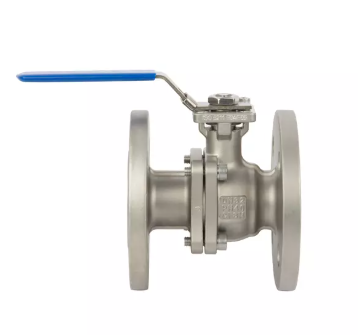
To properly install and maintain a globe valve, understanding its key components is essential. Each part plays a crucial role in controlling flow and ensuring the valve functions reliably.
The body forms the main structure, holding all internal parts and containing the pressure of the fluid. It typically has two ports for fluid entry and exit, which may be aligned straight or at an angle. The bonnet attaches to the body, sealing the valve and providing a passage for the stem. It helps prevent leaks and supports the valve's mechanical parts.
The plug, also called the disc, is the valve’s movable element that regulates flow. It moves up or down to open or close the valve, pressing against the seat to stop flow when closed. Plugs come in balanced and unbalanced types. Balanced plugs have holes to reduce the force needed to operate the valve, making them suitable for larger sizes or higher pressures. Unbalanced plugs are simpler and cheaper but better for smaller valves or low-pressure drops.
The stem connects the plug to the actuator or handwheel. It transmits the motion needed to open or close the valve. Stems can be threaded for manual operation or smooth for automated valves, surrounded by packing material to prevent leaks. The stem must be strong and straight to avoid wear and ensure tight sealing.
The cage surrounds the plug and guides its movement. It controls flow by exposing more or fewer openings as the plug moves. The seat provides a stable surface for the plug to seal against, stopping flow completely when closed. Seats are usually replaceable and designed to guide the plug during closing for a tight seal.
Globe valves come in several designs, each suited for specific piping layouts and flow control needs. Understanding these types helps select the right valve and install it properly.
The straight globe valve is the most common type. It has two ports aligned directly opposite each other, allowing fluid to flow straight through the valve body. The plug moves perpendicular to the flow, pressing down onto the seat to stop flow.
Advantages: Simple design, easy to install in straight pipelines.
Applications: Suitable for throttling flow in horizontal or vertical pipes.
Installation note: Install so flow enters under the disc for better sealing and longer valve life.
The angle globe valve has ports positioned at a 90-degree angle, forming an "L" shape. The fluid changes direction as it passes through, which helps reduce pressure drop and allows easier drainage.
Advantages: Good for systems requiring flow direction change; helps prevent clogging by allowing sediment to drain.
Applications: Common in systems handling viscous or corrosive fluids.
Installation note: Position so flow enters under the disc and exits at the outlet port downward for drainage.
The Y-pattern globe valve features an angled body forming a "Y" shape. The stem and plug are angled relative to the flow path, reducing flow resistance compared to straight or angle globe valves.
Advantages: Lower pressure drop, smoother flow, and less wear on valve parts.
Applications: Ideal for high-pressure systems where throttling is needed without significant pressure loss.
Installation note: Install according to manufacturer’s flow direction marking, usually with flow entering under the plug.
Note: Always verify the flow direction marked on the valve body before installation to ensure optimal performance and durability.
Proper installation of a globe valve is essential to ensure its efficient operation and longevity. Several factors must be considered before and during installation, including flow direction, pressure requirements, and material compatibility.
Globe valves are designed to control flow by moving a plug or disc against a seat. For optimal sealing and reduced wear, the valve should be installed so fluid flows under the plug or disc. This means the flow enters the valve on the side where the plug lifts away from the seat when opening.
Why it matters: Installing the valve with correct flow direction reduces the force needed to operate it and prevents damage to the seat and plug.
How to check: Most globe valves have an arrow on the body indicating flow direction. Always align the valve according to this marking.
Example: For a straight globe valve, flow should enter the inlet port beneath the disc, pushing it upward when the valve opens.
Globe valves must be chosen and installed according to the system’s pressure conditions.
Pressure drop: Globe valves inherently cause a pressure drop because fluid changes direction inside the valve body. Select a valve rated for the system’s maximum pressure and consider the pressure loss.
Balanced vs. unbalanced plugs: Balanced plugs reduce the force needed to operate under high pressure but are more complex and costly. Unbalanced plugs suit lower pressure applications.
Installation tip: Ensure piping and supports can handle pressure forces transmitted through the valve.
The valve body, plug, seat, and other components must be compatible with the fluid and operating conditions.
Corrosive fluids: Use valves made from corrosion-resistant materials like stainless steel or special alloys.
Temperature: Materials should withstand the system temperature to prevent deformation or failure.
Fluid type: For viscous or slurry fluids, angle or Y-pattern globe valves may be better to avoid clogging.
Seals and packing: Check that seals and packing materials resist the fluid and temperature to prevent leaks.
Before installing a globe valve, gather all necessary tools and materials to ensure a smooth process. Common tools include:
Adjustable wrench or pipe wrench
Screwdrivers
Pipe thread sealant or PTFE tape
Cleaning cloth
Safety gloves and goggles
Inspect the valve for any damage or debris. Clean the pipe ends and valve ports to remove dirt or rust. Confirm the valve’s flow direction marking matches your system’s flow.
Correct positioning is critical for globe valves to function properly. Follow these steps:
Check Flow Direction: Align the valve so the flow enters beneath the plug or disc. The valve body usually has an arrow indicating flow direction.
Orientation: For straight globe valves, install in a horizontal or vertical pipe with the stem vertical or angled slightly upward to prevent debris accumulation and allow easy operation.
Clearance: Ensure enough space around the valve for maintenance and operation of the handwheel or actuator.
Support: Provide proper pipe support near the valve to avoid stress on the valve body.
Once positioned, secure the valve firmly to the piping system:
Apply pipe thread sealant or PTFE tape on male threads to prevent leaks.
Hand-tighten the valve onto the pipe, then use a wrench to tighten further, but avoid over-tightening which can damage threads or the valve body.
For flanged valves, align bolt holes properly, insert bolts, and tighten nuts evenly in a crisscross pattern to ensure uniform pressure.
Double-check valve alignment and flow direction after tightening.
Test the valve by slowly introducing flow and checking for leaks or unusual resistance.
Installing a globe valve correctly is crucial for its performance and longevity. However, several common mistakes can compromise the valve’s function and cause costly issues. Knowing these pitfalls helps avoid problems and ensures smooth operation.
One of the most frequent errors is installing the valve against the marked flow direction. Globe valves are designed to have fluid flow enter beneath the plug or disc. This setup reduces the force needed to open the valve and protects internal parts from excessive wear.
Effect: Installing the valve backward can cause the plug and seat to wear unevenly, leading to leaks and premature failure.
How to avoid: Always check the arrow on the valve body indicating flow direction. Confirm it matches the system’s flow before installation.
Over-tightening or under-tightening valve connections is another common mistake. Both can lead to leaks or mechanical damage.
Over-tightening: Can crack the valve body, damage threads, or deform sealing surfaces.
Under-tightening: Causes loose fittings that leak or allow vibration, which can loosen connections over time.
Best practice: Tighten threaded connections hand-tight first, then use a wrench to snug them firmly but carefully. For flanged valves, tighten bolts evenly in a crisscross pattern.
Ignoring maintenance requirements during installation can shorten valve life and cause failures.
Packing inspection: Not checking or improperly installing stem packing can cause leaks.
Accessibility: Installing valves in cramped spaces without enough room for operation or repairs creates difficulties later.
Regular checks: Valves need periodic inspection, lubrication, and adjustment to maintain sealing and smooth operation.
Tip: Plan installation to allow easy access for maintenance tasks.
Globe valves are reliable, but problems can happen. Knowing how to spot and fix common issues helps keep your system running smoothly.
Leaks often occur around the stem, bonnet, or seat.
Stem leaks: Usually caused by worn or damaged packing. Check the packing gland and tighten it slightly. If leaking persists, replace the packing material.
Bonnet leaks: May happen if bolts are loose or gasket is damaged. Tighten bolts evenly in a crisscross pattern or replace the gasket if needed.
Seat leaks: Often from wear or debris between the plug and seat. Inspect for damage and clean the seating surfaces. If damaged, replace the seat or plug.
Regular inspections help catch leaks early before they worsen.
Flow restrictions reduce efficiency and cause pressure drops.
Debris buildup: Sediment or scale can block valve openings. Flush the system or remove the valve to clean internal parts.
Incorrect valve position: Ensure the valve is fully open when maximum flow is needed. Partial opening causes throttling and pressure loss.
Damaged internals: Worn plugs, seats, or cages affect flow. Replace damaged parts promptly to restore performance.
Choosing the right valve type and size for your application prevents flow issues.
Proper maintenance extends globe valve life and reduces downtime.
Routine lubrication: Apply lubricant to the stem and moving parts to ease operation and prevent corrosion.
Stem packing replacement: Replace packing regularly to maintain a tight seal and avoid leaks.
Valve seat care: Inspect seats during maintenance. Resurface or replace if sealing is compromised.
Handle with care: Avoid overtightening the valve during operation or maintenance to prevent damage.
Keep a maintenance log to track repairs and schedule inspections.
Proper globe valve installation is crucial for optimal performance and longevity. Key points include ensuring correct flow direction, avoiding over-tightening, and planning for maintenance access. Correct installation reduces leaks and wear, enhancing system efficiency. Wenzhou Kasin Valve Co., Ltd. offers high-quality globe valves that ensure reliable flow control and durability. Their products are designed to meet diverse system requirements, providing significant value through robust construction and precise engineering.
A: A globe valve is a type of valve used to regulate flow in a pipeline, featuring a movable plug or disc that presses against a seat to control fluid movement.
A: A globe valve should be installed with the flow entering beneath the plug or disc to ensure optimal sealing and reduce wear on internal parts.
A: Correct flow direction ensures efficient operation, reduces the force needed to open the valve, and prevents damage to the plug and seat.


