
Views: 0 Author: Site Editor Publish Time: 2025-08-18 Origin: Site


Ever wondered how industries control fluid flow so precisely? Globe valves are the answer! These essential components regulate flow with accuracy. Understanding their role and design is crucial for efficient systems. In this post, you'll learn about globe valve types, their importance in flow regulation, and how they fit various applications.
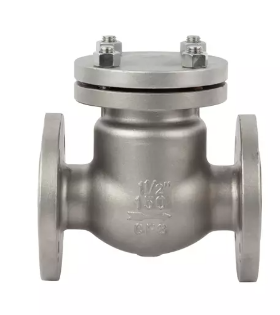
A globe valve mainly consists of several key parts that work together to regulate flow:
Body: The main casing that holds everything together and contains the fluid. It usually has a spherical or slightly rounded shape.
Bonnet: This covers the valve body and holds the stem packing to prevent leaks.
Stem: A rod connected to the handwheel or actuator. It moves the plug up or down.
Plug (or Disc): The movable part that presses against the seat to control flow.
Seat: The fixed ring inside the body that the plug seals against.
Cage: Surrounds the plug and guides its movement. It also controls flow by shaping the flow path.
These parts fit tightly to ensure the valve can stop or regulate flow without leaks.
Globe valves control flow by moving the plug closer or farther from the seat. When the plug presses down on the seat, it blocks flow completely. Raising the plug opens the flow path. The shape of the valve body and the plug’s position create a tortuous path, which helps regulate flow accurately.
The stem moves the plug either by screwing it in or sliding it, depending on the valve design. Manual valves use a handwheel attached to a threaded stem, while automated valves often have smooth stems moved by actuators.
Because of the design, globe valves provide good throttling control, making them ideal for systems needing precise flow adjustment.
Choosing the right materials is crucial for globe valve performance and durability. Materials must resist corrosion, pressure, and temperature based on the application.
Common materials include:
Body and Bonnet: Cast iron, carbon steel, stainless steel, or bronze.
Plug and Seat: Stainless steel or hardened alloys to resist wear.
Stem: Stainless steel for strength and corrosion resistance.
Packing: Graphite or PTFE to seal around the stem.
For corrosive fluids or high temperatures, specialized alloys or coatings may be used. Material choice impacts valve lifespan, maintenance needs, and safety.
Globe valves come mainly in three types, each designed to suit different piping layouts and flow control needs. Understanding these types helps pick the right valve for specific applications.
Straight globe valves have their inlet and outlet ports aligned directly opposite each other. The flow path is essentially straight but passes through the internal baffle inside the valve body. This design makes them simple and easy to install in pipelines where flow direction remains linear.
Flow path: Straight through the valve.
Common use: Systems requiring precise throttling and flow regulation.
Advantages: Good control, easy maintenance, and straightforward installation.
Disadvantages: Higher pressure drop due to the tortuous flow path inside.
Because the fluid changes direction inside the valve, straight globe valves create more resistance than some other valve types. This can be a factor in systems where pressure loss must be minimized.
Angle globe valves have their inlet and outlet ports arranged at a 90-degree angle. The fluid enters from one side and exits at a right angle, changing direction inside the valve body.
Flow path: Changes direction by 90 degrees.
Common use: Applications needing a change in flow direction without extra fittings.
Advantages: Reduces the need for elbows or bends in piping, lowers risk of clogging in viscous fluids.
Disadvantages: Slightly more complex body shape, potentially higher cost.
Angle valves are especially useful when piping layout requires a turn. They also help fluids drain more easily, which is beneficial for systems handling slurries or fluids prone to solidifying.
Y-pattern globe valves have their inlet and outlet ports arranged in a straight line but offset at an angle to the valve stem, forming a "Y" shape. This design creates a straighter flow path compared to the traditional globe valve.
Flow path: More linear, less tortuous than straight globe valves.
Common use: High-pressure systems where minimizing pressure drop is critical.
Advantages: Lower pressure loss, better flow characteristics, and easier maintenance.
Disadvantages: Larger body size, sometimes higher initial cost.
The Y-pattern design sacrifices some throttling precision but compensates by allowing higher flow rates with less resistance. It’s a good choice for applications balancing flow control and efficiency.
Globe valves play a vital role across many industries due to their precise flow control capabilities. They are commonly found in:
Power plants for steam regulation and cooling water control.
Chemical processing where accurate dosing of fluids is essential.
Oil and gas pipelines to manage flow and pressure safely.
Water treatment plants for regulating water flow and pressure.
Pharmaceutical manufacturing to control sterile fluid transfer.
Their ability to throttle flow makes them ideal for systems requiring frequent adjustments or precise control. Industries handling corrosive or viscous fluids often prefer globe valves because they provide reliable sealing and can handle tough conditions.
While globe valves are more common in industrial settings, they also appear in residential and commercial plumbing:
Heating systems use globe valves to balance and regulate hot water flow.
Water supply lines in large buildings may incorporate globe valves for shut-off and flow control.
Fire protection systems employ globe valves for their ability to quickly isolate water flow.
HVAC systems utilize globe valves to control chilled or heated water in air handlers.
Their durability and control make them suitable for applications where flow must be adjusted regularly or shut off completely.
Each globe valve type fits specific scenarios based on pipeline layout and flow needs:
Straight Globe Valves: Best for systems with linear piping where precise throttling is needed, such as chemical reactors or water treatment lines.
Angle Globe Valves: Ideal when the piping requires a 90-degree turn, common in drainage systems or where space constraints exist.
Y-Pattern Globe Valves: Suited for high-pressure systems like steam lines or gas pipelines where reducing pressure drop is critical.
Selecting the right type improves system efficiency and reduces maintenance issues. For example, angle valves help fluids drain easily, preventing clogging in slurry pipelines. Meanwhile, Y-pattern valves support high flow rates with less resistance, beneficial in power plants.
Globe valves offer precise flow control, making them excellent for throttling applications. Their design allows fine adjustment of fluid flow, which is essential in processes requiring accurate regulation. They provide a tight seal when closed, reducing leakage risks. These valves are also versatile, handling a wide range of pressures and temperatures. Their robust construction suits corrosive and abrasive fluids, especially when made from appropriate materials.
Another benefit is ease of maintenance. The valve’s internal parts, such as the plug and seat, are accessible for repair or replacement without removing the entire valve from the pipeline. Globe valves also handle frequent operation well, maintaining performance over time.
Despite their advantages, globe valves have some limitations. One main drawback is the relatively high pressure drop caused by the flow path inside the valve. The fluid changes direction within the valve body, creating resistance and energy loss. This can be a concern in systems where maintaining pressure is critical.
Globe valves tend to be heavier and bulkier than other valve types like gate or ball valves, which can complicate installation in tight spaces. Their complex body shape often results in higher manufacturing and purchase costs. Additionally, they are not ideal for quick shut-off applications because the stem must be turned multiple times to close or open the valve fully.
Compared to gate valves, globe valves provide better flow control but cause more pressure loss. Gate valves are better suited for on/off service where minimal flow resistance is desired. Ball valves offer quick operation and tight sealing but lack the fine throttling ability of globe valves.
Butterfly valves are lighter and more compact, often used in large-diameter pipelines, but they provide less precise flow regulation. Needle valves offer even more precise control than globe valves but are typically limited to small sizes and low flow rates.
Choosing the right valve depends on balancing flow control needs, pressure loss tolerance, space constraints, and cost considerations.
Regular maintenance keeps globe valves working smoothly and extends their lifespan. Start by inspecting the valve body and bonnet for leaks or corrosion. Check the stem packing for wear and tightness, as worn packing can cause leaks around the stem. Lubricate the stem threads and moving parts to reduce friction and prevent seizing. Make sure the handwheel or actuator operates freely without excessive force.
Periodically, remove and clean the valve internals, especially the plug and seat. Deposits or debris can build up, affecting sealing and flow control. Replace worn or damaged parts promptly to avoid further issues. Also, check the valve alignment to ensure the plug seats properly.
Globe valves may face several common problems during operation:
Leakage around the stem: Usually caused by worn packing or improper packing adjustment. Tighten packing nuts or replace packing material to fix leaks.
Valve does not fully close or open: Can result from debris stuck between the plug and seat or damaged sealing surfaces. Clean internals and inspect parts for damage; replace if necessary.
Excessive operating torque: Often due to corrosion, lack of lubrication, or bent stems. Lubricate moving parts and check stem alignment. Replace corroded components.
Noise and vibration: May occur if the valve is partially open under high pressure. Adjust valve position or consider a valve type better suited for high-velocity flow.
To maximize valve life, follow these best practices:
Select valve materials suited to the fluid type and operating conditions.
Avoid rapid cycling or sudden valve closures to reduce wear.
Keep the valve clean and free from corrosive deposits.
Schedule regular inspections and preventive maintenance.
Use proper tools and techniques during installation and repairs to avoid damage.
By maintaining valves proactively, you reduce downtime and costly replacements, ensuring reliable flow control in your system.
Tip: Establish a regular maintenance schedule including stem packing checks and valve internals cleaning to prevent leaks and extend globe valve service life.
Globe valve design continues evolving to meet modern industry demands. Manufacturers focus on improving flow efficiency and reducing pressure drops. New designs integrate streamlined internal paths, minimizing turbulence and energy loss. Advanced materials like composites and high-performance alloys increase durability and corrosion resistance. Some valves now feature modular components, simplifying maintenance and part replacement.
Smart sealing technologies also emerge, enhancing leak prevention and extending service life. Innovations in plug and seat geometry improve throttling accuracy, allowing more precise flow control. These design shifts help globe valves perform better in harsh environments and complex systems.
Automation transforms globe valve operation significantly. Actuators and digital controls replace manual handwheels, enabling remote and precise valve positioning. This improves process control, reduces human error, and enhances safety by allowing quick responses to system changes.
Integration with plant control systems and IoT platforms provides real-time valve status, diagnostics, and predictive maintenance alerts. Automated valves also enable advanced flow regulation strategies, optimizing energy use and system performance.
Furthermore, smart valves can self-adjust based on feedback from sensors, maintaining optimal flow conditions without constant human intervention. This trend supports Industry 4.0 goals, driving efficiency and reliability.
Environmental concerns shape globe valve technology development. Manufacturers prioritize eco-friendly materials and sustainable production methods. Valves designed to minimize leakage help reduce fluid loss and contamination risks.
Energy-efficient valve designs lower pressure drops, cutting pumping energy needs. Some globe valves incorporate materials and coatings that resist biofouling and corrosion, extending lifespan and reducing waste.
Recyclability of valve components gains attention, encouraging circular economy practices. Also, compliance with stricter environmental regulations pushes innovation in sealing and emission control technologies.
Globe valves are essential for precise flow control, with three main types: straight, angle, and Y-pattern. Each type suits different piping layouts and flow needs, offering unique benefits and disadvantages. Choosing the right globe valve ensures optimal performance and system efficiency. Wenzhou Kasin Valve Co., Ltd. offers high-quality globe valves designed to meet diverse industrial and commercial applications. Their products provide reliable sealing and durability, enhancing system performance and reducing maintenance needs. Selecting the appropriate valve type is crucial for maximizing operational efficiency.
A: A globe valve consists of a body, bonnet, stem, plug, seat, and cage. These parts work together to regulate flow effectively.
A: A globe valve controls flow by moving the plug closer or farther from the seat, allowing precise flow adjustment through its tortuous path.
A: Globe valves offer precise flow control, tight sealing, and versatility in handling various pressures and temperatures, making them ideal for throttling applications.


