
Views: 0 Author: Site Editor Publish Time: 2025-08-11 Origin: Site


Ever wonder how oil pipelines stay sealed under extreme pressure? It’s all thanks to high pressure ball valves.These valves control flow in powerful systems. They’re tough, fast, and built for intense jobs.In this post, you’ll learn how they work, where they’re used, and how to choose the right one.
A ball valve is a simple yet powerful device that controls fluid or gas flow using a ball. Inside the valve body, there is a hollow ball with a hole through the center. When the hole lines up with the pipe, fluids flow. Turn the ball 90 degrees, and it blocks the flow completely.
Here is what makes up a ball valve:
● Body: The outer shell that holds all components
● Ball: The hollow sphere that controls the flow
● Seats: Rings that seal the ball and prevent leaks
● Stem: Connects the ball to the handle or actuator
● Handle or Actuator: Used to turn the valve on or off
Want to compare it to other valves?
Valve Type | Flow Control | Seal Tightness | Turning Effort | Best Use |
Ball Valve | Quick turn | Very tight | Low | On-off shutoff |
Gate Valve | Slow turn | Moderate | Higher | Full flow systems |
Globe Valve | Precise flow | Good | Medium | Flow regulation |
Ball valves are best when you need a fast and full shut-off. They are also reliable, less likely to jam, leak, or corrode.
Not all ball valves are built the same. When a valve can handle over 500 psi, it is generally labeled high pressure. Some go up to 20000 psi.
So what gives them that kind of strength?
● Thicker walls and reinforced seats
● Compact ball bores to control flow better
● Stronger seals like Teflon or Grafoil
● Body materials that can handle stress
Here is a quick breakdown:
Feature | Low-Pressure Valve | High-Pressure Valve |
PSI Rating | Up to 200 psi | 500 to 20000+ psi |
Material | Brass, PVC | Stainless or carbon steel |
Ball Type | Larger bore | Smaller bore, tighter seal |
Application | Home systems | Oil rigs, pipelines |
These valves are not only stronger—they are also built smarter. Every part is engineered to hold back massive forces without leaking or failing.
High pressure ball valves work just like regular ones but are better sealed and more rugged. You turn the handle or actuator just 90 degrees, and the ball rotates.
If the hole is aligned with the pipe, fluid flows. When turned perpendicular, the flow stops.
● Bore alignment is everything
● Tighter tolerances mean better shut-off
● Actuators help automate this in large systems
You will see these in systems where safety matters, like chemical lines or hydraulic circuits.
There are two common designs in high-pressure systems:
Free-Floating
● The ball floats slightly and seals against the downstream seat
● Simpler and works well up to mid-high pressures
Trunnion-Mounted
● The ball is held by two shafts, top and bottom
● More stable and better for pressures above 15000 psi
Feature | Free-Floating Valve | Trunnion Valve |
Pressure Range | Up to around 3000 psi | Up to 20000+ psi |
Ball Support | Only stem | Stem and trunnion |
Cost | Lower | Higher |
Torque Needed | Higher | Lower |
Best For | General shut-off | High-load applications |
When flow needs to stop fast and safely, trunnion valves are the top choice.
High pressure ball valves are workhorses in demanding industries. They keep pipelines safe and systems running smoothly.
You will find them in:
● Oil and Gas: Upstream, midstream, downstream
● Chemical Plants: To isolate or redirect high-pressure chemicals
● Water Treatment: For pressurized pumping systems
● Power Generation: In cooling loops, steam lines, fuel circuits
These systems cannot afford leaks or weak seals. One bad valve could cause a shutdown.
These valves are mostly used in industry, but they may appear in high-rise HVAC systems or fire suppression systems.
● Tall buildings may have high vertical pressure differences
● Commercial plumbing may need strong shut-off control
Still, industrial use is far more common.
High pressure ball valves excel in advanced fluid systems.
● Suction control keeps pumps from overloading
● Backpressure maintains system balance
● Recirculation lets fluid redirect without stopping operations
These valves often work near boilers, compressors, and relief systems, performing essential roles.
Here are the main benefits:
● Fast shut-off with 90 degree turn
● Leak-proof under high stress
● Durable and long-lasting
● Minimal pressure loss
● Corrosion-resistant
● Works across wide temperature ranges
A ball valve is called high pressure when it handles more than 500 psi. But in many industries, that number goes way higher.
Here are typical rating levels:
Rating Level | PSI Range | Common Use Area |
Moderate | 500 – 3000 psi | General industrial systems |
High | Oil, gas, chemical plants | |
Ultra High | 10000 – 20000 psi | Power plants, hydraulic rigs |
Some valves go beyond 20000 psi in extreme setups. These are usually custom-designed and built with reinforced materials.
The pressure rating affects everything from material thickness to actuator design. Choosing the wrong PSI rating can lead to failure or leaks.
Ball valves are more than just metal and seals. They must meet strict safety and performance rules.
Here are key standards that apply:
● ASME (American Society of Mechanical Engineers): Defines design pressure and material guidelines.
● API (American Petroleum Institute): Ensures valves used in oil and gas are safe and durable.
● ISO (International Organization for Standardization): Covers global product quality and testing methods.
Valves with these marks have passed lab tests for:
● Pressure containment
● Cycle life (open/close count)
● Seal tightness
● Resistance to corrosion and heat
A certified valve helps avoid downtime, fines, and safety risks.
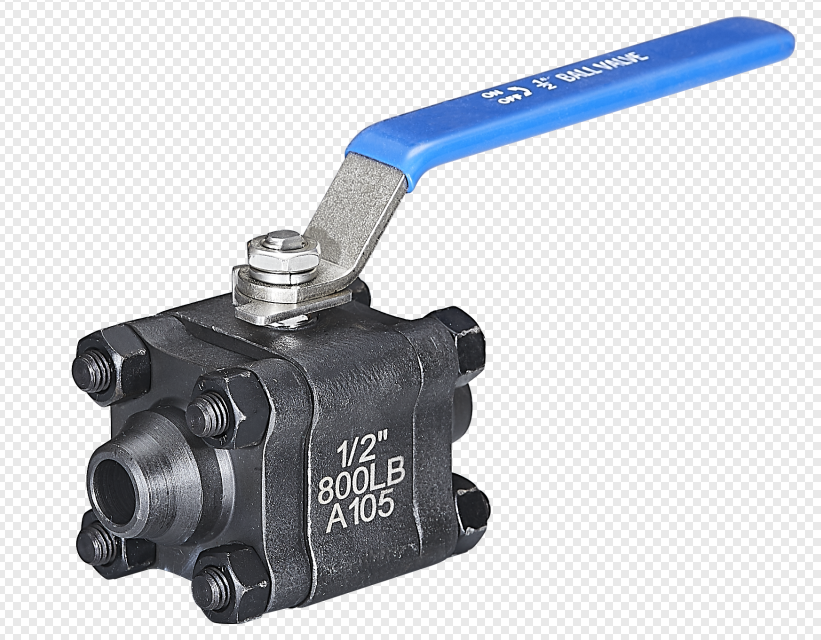
The material choice decides how long a valve lasts and what it can handle.
Here is a quick breakdown:
Component | Common Material | Why It's Used |
Valve Body | Stainless Steel | Corrosion-resistant, strong |
Valve Body | Carbon Steel | Lower cost, still high strength |
Ball | Stainless Steel | Withstands pressure and erosion |
Seals/Seats | Teflon | Low friction, chemical resistant |
Seals/Seats | Polypak | Good for hydraulic systems |
Seals/Seats | Grafoil | Works under extreme temperatures |
Stainless steel is most popular for critical uses. It handles pressure, corrosion, and heat better than many other options.
Teflon seats work in most cases, but for high heat or aggressive fluids, Grafoil is better.
Every high pressure ball valve goes through several precise steps before it reaches a pipeline.
First comes the design. Engineers define:
● Flow direction
● Connection types (threaded, flanged, welded)
● Bore size and pressure class
● Sealing system (soft or metal seated)
CAD software is used to design parts down to the micron level.
The valve parts are shaped using CNC machines. This includes:
● Cutting and drilling the body and stem
● Precision shaping of the ball
● Tapping threads for connectors
The ball can be forged, cast, or machined:
● Forging is strongest for high pressure
● Casting is cheaper but less precise
● Machining is used for small custom batches
Smooth ball rotation is vital. If it sticks or jams, the valve becomes dangerous.
Once all parts are ready, they are cleaned and assembled:
● The stem is attached to the ball
● Seats and seals are installed
● End connections are fitted
Then, the valve is tested. This includes:
● Pressure test: checks if the valve holds rated pressure
● Leak test: looks for seal failure
● Function test: makes sure it opens and closes smoothly
Lastly, some valves get special coatings for corrosion protection or wear resistance.
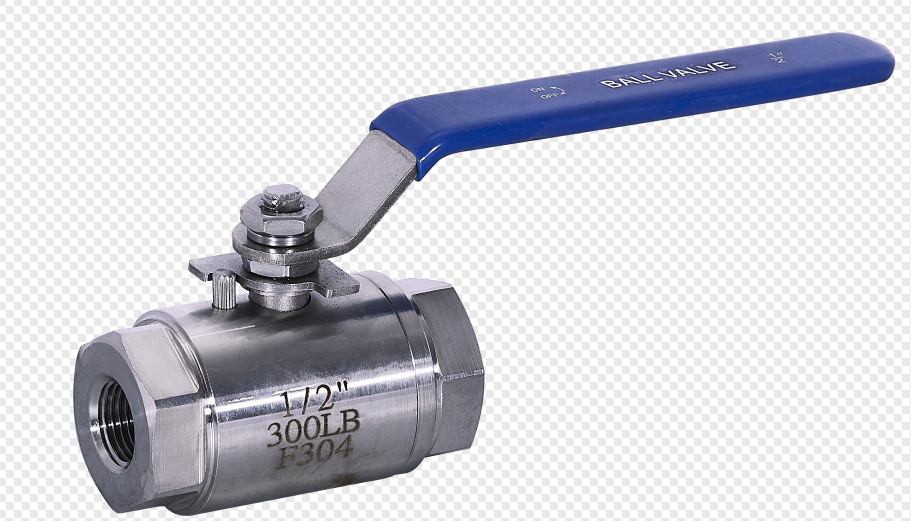
Picking the right valve depends on more than pressure. Here is what you should consider:
Factor | Description |
Pressure Rating | Match the system’s maximum pressure |
Size and Bore | Affects flow rate and pressure drop |
Connection Type | Flanged for stability, threaded for ease |
Temperature Range | Pick seals that can handle system heat |
Fluid Type | Chemical, oil, gas, or water compatibility |
Think about where the valve will be used. Is it exposed to heat? Will it handle corrosive fluids?
Many valve failures happen because someone made a wrong choice. Avoid these errors:
● Choosing low-pressure valves for high-pressure systems
● Ignoring seal material when dealing with chemicals or heat
● Not verifying product certifications
● Using the wrong end connection (welded vs flanged)
● Failing to check flow direction before installation
A small mistake can lead to major leaks, fines, or downtime.
Installing a high pressure ball valve is not just about tightening bolts.
Follow these tips:
● Make sure pipe supports are firm and level
● Align the valve properly with the pipe center
● Use the right torque when bolting flanged ends
● Avoid sudden changes in flow to prevent water hammer
● Check system pressure before and after installation
Maintenance is also key:
● Inspect seals and bolts every 3 to 6 months
● Replace worn seats or stems quickly
● Clean buildup around moving parts
Poor installation can shorten the valve’s life or cause leaks.
High pressure ball valves control fluid flow in extreme systems. They handle over 500 psi and seal tightly.You’ll find them in oil, gas, power, and chemical setups. They’re fast, durable, and safe to use.Choosing the right valve depends on pressure, fluid type, and materials. Proper installation and certified suppliers matter.These valves keep your system running efficiently and safely.
A: Yes, high pressure ball valves are ideal for gas systems. They provide tight shut-off and withstand high PSI levels without leaks.
A: Some high pressure ball valves can handle up to 20,000 PSI, depending on design, materials, and manufacturer standards.
A: With proper material selection and maintenance, high pressure ball valves can last many years, even in extreme environments.
A: Minimal. Their full-bore design allows smooth fluid passage, reducing pressure drop while maintaining strong sealing.
A: No. While stainless steel is common, pressure rating depends on valve design, wall thickness, and manufacturing specs.


